4 Signs it is Time to Install New Siding
How to Spot When Replacement Siding Is Needed
The appearance and condition of your home’s siding have a big impact on how well your house is protected and how it looks from the street. Over time, siding can wear out, leading to problems that are easy to miss at first. As someone who has been around the block TWICE on this situation, I think I have something to add to the chat.
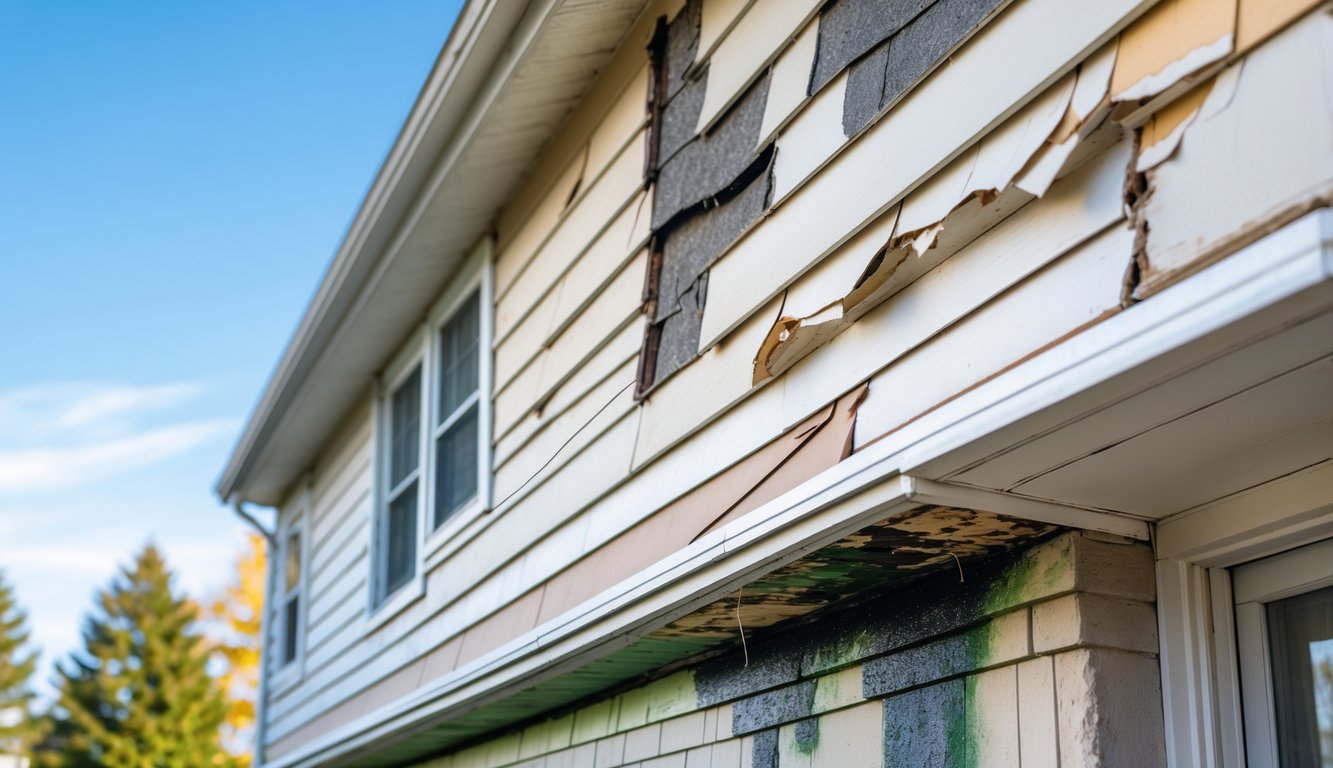
Knowing when to replace your siding helps you avoid bigger repair bills, keep your home safe, and maintain its value. Learn to notice the main signs that it might be time for new siding, so you can make the best decision for your home. I would not hesitate to hire professional siding contractors next time, like DMD Exteriors in Norfolk County, as they know exactly what to look for and how to make the best of a messy siding situation, perfect for messy renovations in towns like Simcoe, or Port Dover.
1) Cracking or rotting siding panels
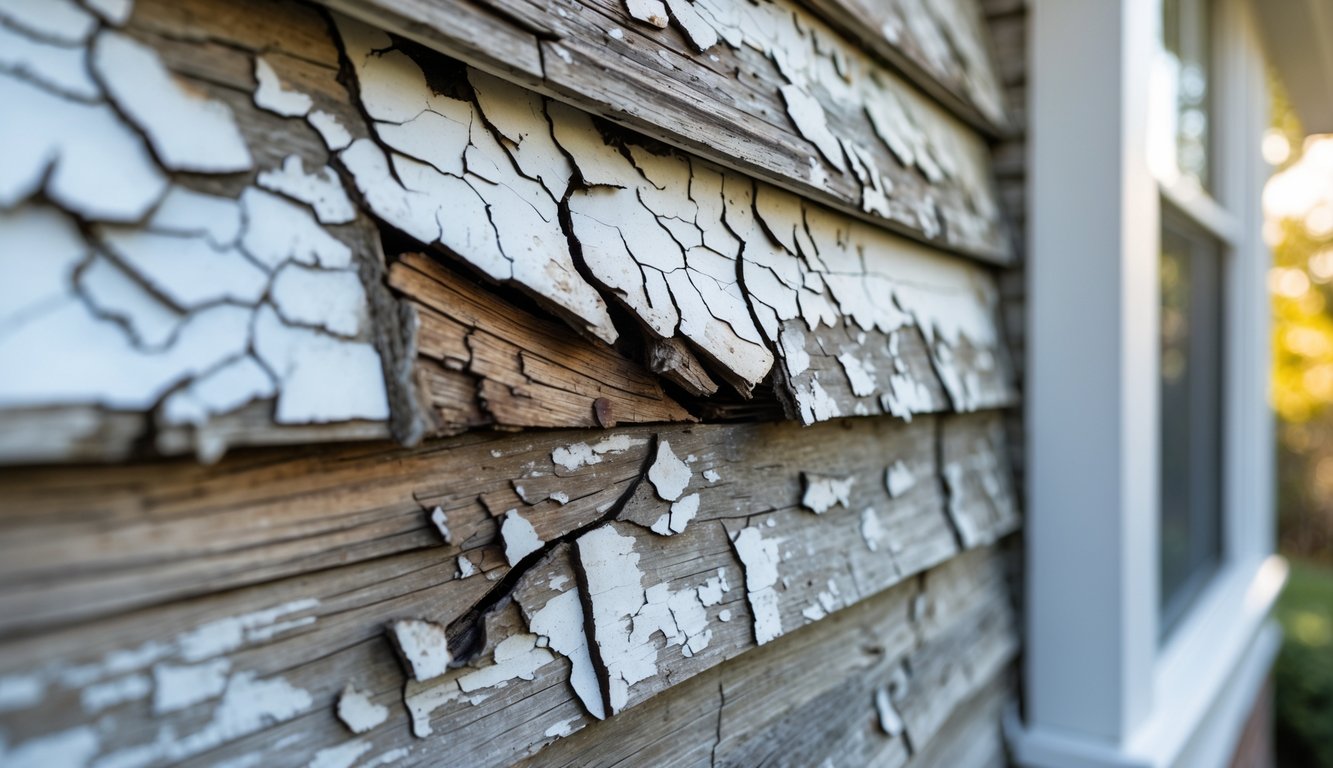
Cracks and rot in your siding are clear signs that it’s time for a change. When panels start to crack, even in small spots, water can get behind the siding and cause more damage to the materials underneath.
Rotting panels are especially serious. Rot often means the siding has been damaged by water for a long time. This can weaken the structure of your home and lead to mold or pests.
If you notice your siding is soft or crumbly when you press on it, there’s a strong chance that rot has set in. Cracks or holes also let pests and moisture inside, which can cause more expensive repairs over time.
Replacing damaged panels quickly helps prevent bigger problems from developing. Experts often point out that visible damage like cracking, warping, or rotting boards makes it easier for moisture to enter and cause further harm to your home’s structure. Learn more about why cracked, warped, or rotting boards mean your siding needs attention.
2) Bubbling or peeling paint on siding
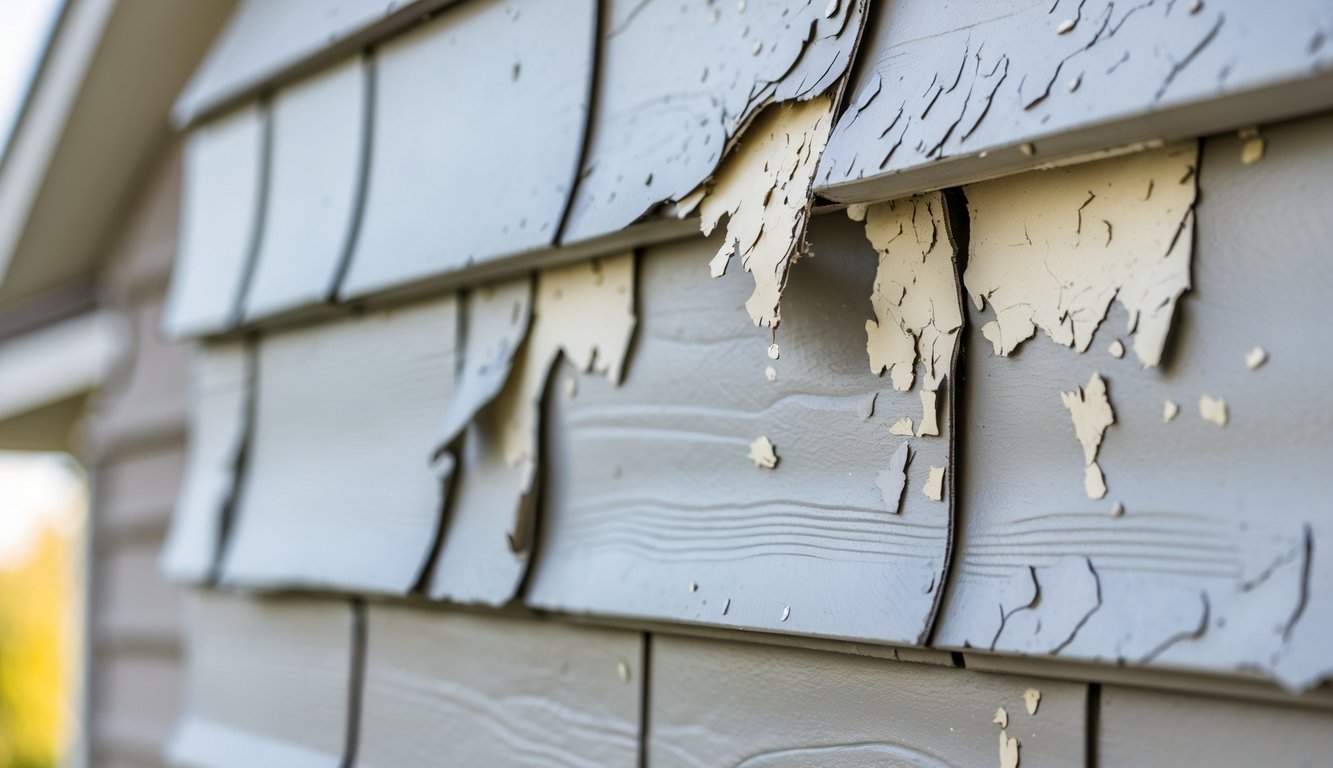
Bubbling or peeling paint is often one of the earliest signs that your siding may need to be replaced. When you see paint lifting away from the surface, it can mean that moisture has made its way underneath. This trapped water puts stress on both the paint and the material under it.
Moisture beneath your siding can cause more problems than just appearance. Over time, constant exposure to trapped water can contribute to wood rot, mold growth, or soft spots. If left unaddressed, these issues will not only keep your siding looking damaged but also create structural concerns for your home.
Keep an eye out for any bubbling, cracking, or peeling paint that doesn’t go away with simple repainting. According to building specialists, healthy siding should allow paint to stick for several years at a time. When the paint cannot hold, it’s often due to issues with the siding itself rather than just the paint quality or application.
3) Visible mold or mildew growth
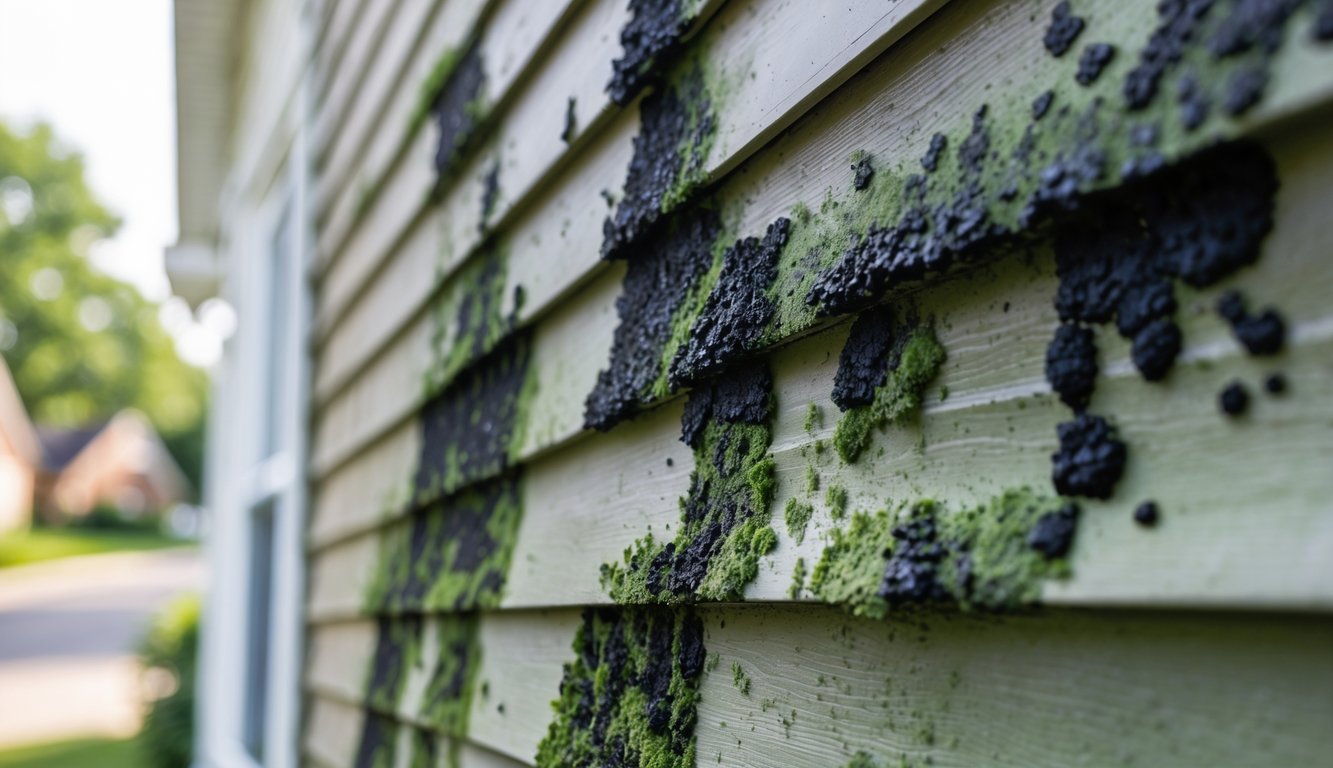
If you notice mold or mildew on your siding, it is often a sign that moisture is trapped behind or within the material. This is a common problem with older or damaged siding.
Mold and mildew growth is not just unpleasant; it can be a health concern for those living in the home. It may also indicate that your siding’s protective barrier is failing to keep out water.
You might see black, green, or gray patches, especially near the seams or foundation. Frequent cleaning may help at first, but if the problem keeps coming back, it’s likely a sign your siding needs replacement.
Persistent mold growth often points to water infiltration. Over time, this excess moisture can damage the structure underneath your siding and increase repair costs.
Spotting visible mold or mildew on your siding should not be ignored. According to experts, ongoing growth after cleaning may require a full assessment or total replacement of your siding to protect your home. Learn more about the signs and risks of mold in your house.
4) Sudden increase in heating and cooling bills in Norfolk County
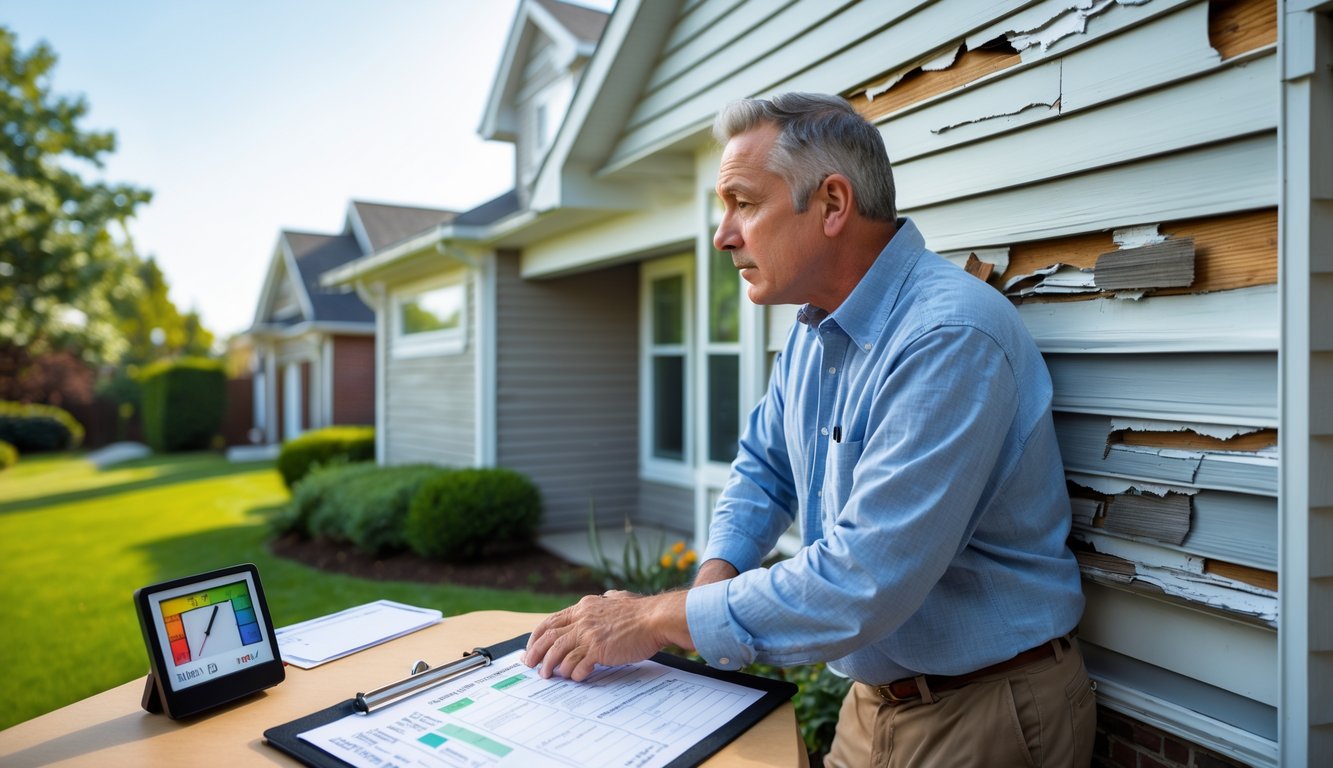
A sharp rise in your Norfolk County heating or cooling bill can be a warning sign that your siding is no longer working as it should. When siding ages or breaks down, it lets more outside air leak into your home. This makes your heating and cooling systems work harder, which drives up energy costs.
You might notice uneven temperatures in different rooms or feel drafts near the walls. Poor siding can also lead to cold spots on walls and floors, making it tougher to keep your house comfortable.
Energy experts say that heating and cooling make up more than half of a typical home’s utility bill. If leaks or gaps in your siding are to blame, you may see a noticeable spike in what you pay each month. Adding new siding and improving insulation can help keep your bills steady.
If your energy usage habits have not changed but your bills have jumped, worn siding could be the hidden cause. Addressing the problem can make your home more comfortable and keep your expenses more predictable.
Understanding the Benefits of New Siding
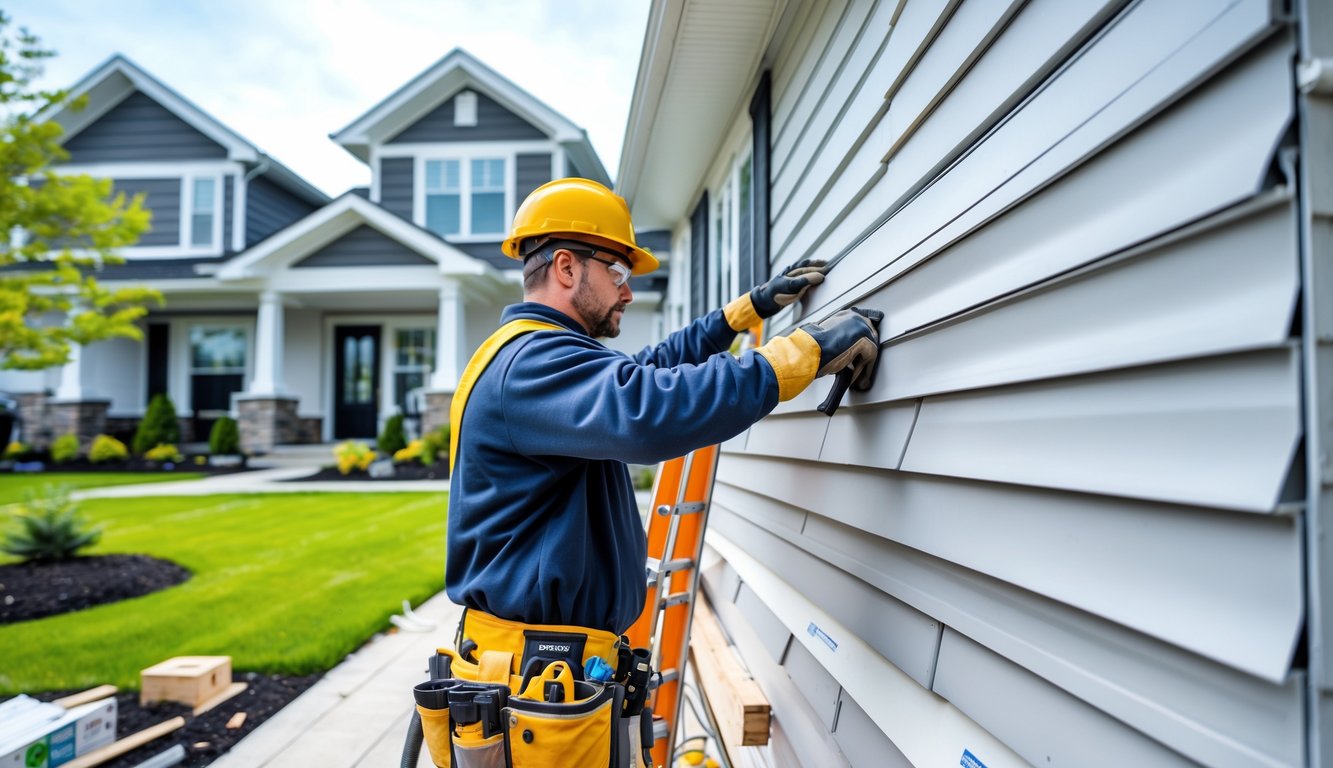
New siding does more than improve the look of your home. It plays a vital role in keeping your home comfortable, safe, and efficient.
Enhanced Home Protection
New siding shields your home from rain, wind, and sun. It acts as the first line of defense against moisture. Old or damaged siding often lets water in, which can lead to rot, mold, and mildew. Once water gets inside the walls, repairs can become expensive and time-consuming.
Cracks, dents, or warping in old siding weaken this barrier. Pests and insects may also find their way inside through gaps. Replacing damaged siding blocks these entry points, helping to keep unwanted critters out of your home.
Strong, modern siding helps your home withstand harsh weather for years. You lower your risk of expensive repairs when your home has a solid outer layer. For more details on how siding protects your home, see the key signs you need new siding.
Increased Energy Efficiency
New siding acts like a blanket for your home. Insulated siding helps trap warm or cool air inside, so your heater or air conditioner doesn’t have to work as hard. This can lower your monthly bills because less energy escapes through your walls.
Gaps and cracks in old siding let drafts in, making it harder to keep rooms at a comfortable temperature. New siding creates a tighter seal, which reduces heat loss in winter and keeps cool air inside during summer.
Some studies show that installing new insulated siding can reduce heating and cooling costs by up to 20%. For more information on these benefits, visit advantages of installing new siding. You will notice rooms feel more comfortable, and your home may even be quieter due to extra soundproofing.
How Siding Installation Impacts Property Value in Simcoe or Port Dover
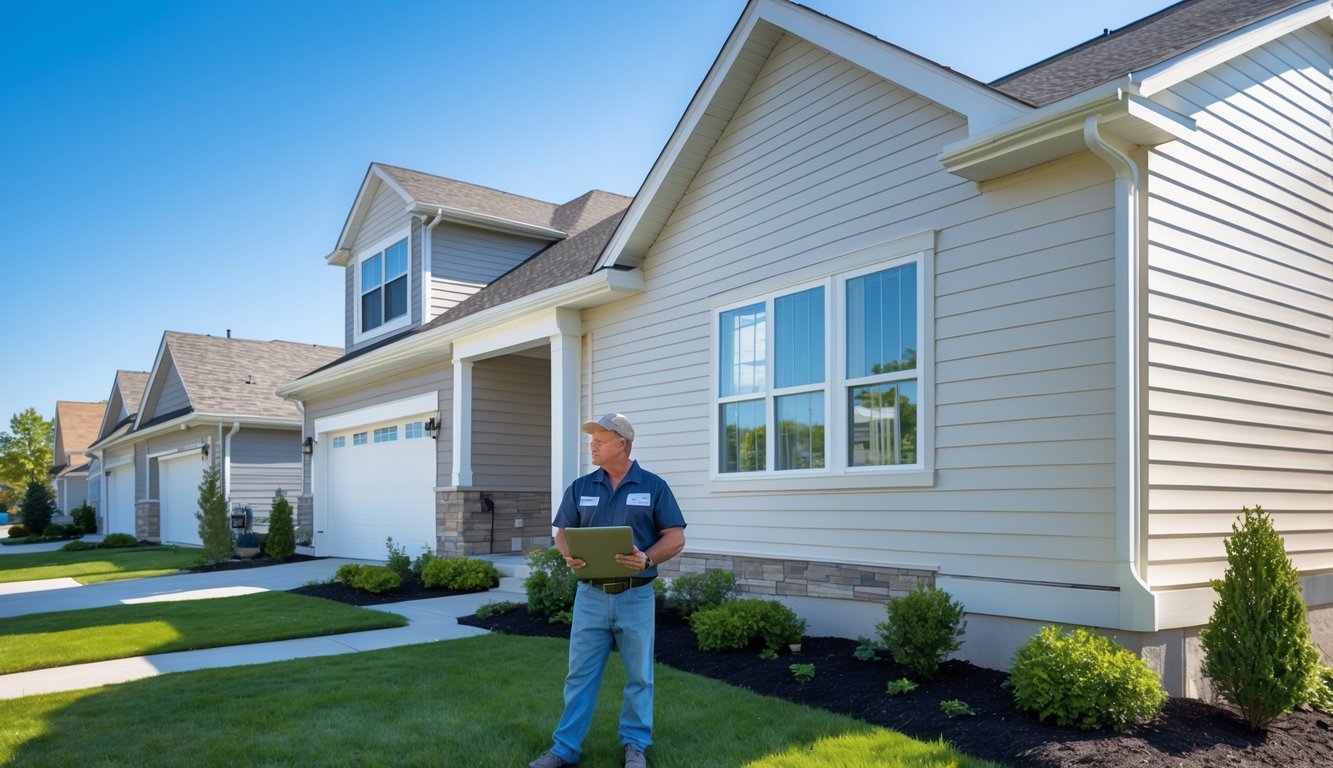
New siding makes a big difference in your Norfolk County home’s appearance and value. Home buyers often notice if the siding looks old or damaged, which can lower how much they are willing to pay.
Curb appeal is one of the main ways new siding adds value. A fresh look can make your house stand out in the neighbourhood. This first impression can lead to higher offers from potential buyers.
Upgrading your siding can also help with your home’s durability and protection against the weather. Siding acts as a barrier, keeping water, wind, and pests out. This protection helps prevent costly repairs and damage.
Energy efficiency is another benefit. New siding can improve how well your home keeps in heat during the winter and stays cool in the summer. This can make your house more attractive to buyers who want lower utility costs.
Here is a quick look at how new siding can impact property value:
| Benefit | How It Helps Property Value |
|---|---|
| Fresh Appearance | Increases curb appeal and interest |
| Improved Protection | Reduces risk of long-term damage |
| Energy Efficiency | Can cut heating and cooling costs |
| Low Maintenance | Makes the home easier to care for |
On average, installing new siding recoups a high return on investment compared to many other home upgrades. Addressing siding problems quickly also helps protect your home’s value over time.